
Secure institutional-grade debt for high-yield storage assets. Clopton Capital provides Australian investors and owner-operators with tailored self storage loans to acquire, refinance, or develop modern storage facilities across every major metropolitan hub.

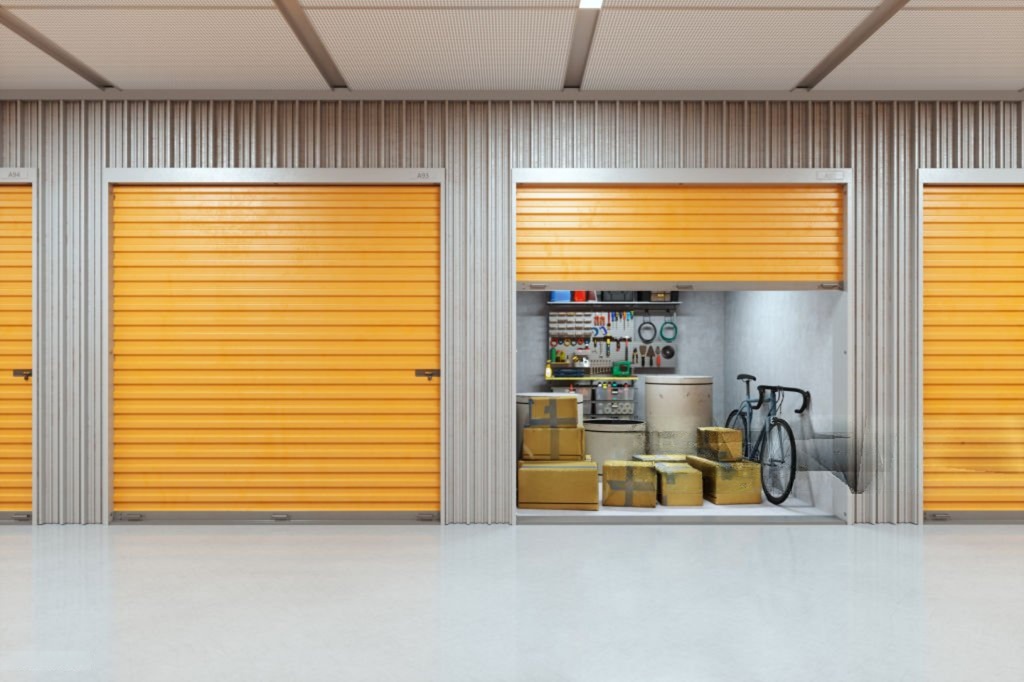
In recent times, the Australian self-storage industry has evolved from a niche secondary asset class into a core institutional favourite. A self storage loan is a specialised commercial mortgage used to finance facilities that provide short-term or long-term storage for residential and business goods.
Lending for storage is unique because it combines property and business operations. Underwriting focuses on the Unit Mix (the variety of locker sizes), the Stabilised Occupancy, and the technology used for management. Whether you are acquiring a suburban “drive-up” facility or developing a multi-storey CBD storage hub, Clopton Capital connects you with capital from major banks and private credit funds.
In the current market landscape, self-storage is widely considered “recession-resilient.” It thrives during economic growth (when people buy more goods) and during downturns (when people downsize or move).
Predictable Cash Flow: With hundreds of individual tenants, your income is not dependent on one or two major leases, drastically reducing vacancy risk.
Low Maintenance (CapEx): Unlike office or retail assets, storage facilities require very little interior maintenance, leading to higher net margins.
Inflation Hedge: Storage leases are typically month-to-month, allowing operators to adjust rents immediately to keep pace with inflation—a major advantage for Australian investors.
Technology Integration: Modern facilities utilise “Contactless Entry” and automated management systems, which reduce labour costs and increase the property’s valuation.
We provide diverse capital solutions tailored to the Australian storage sector:
Acquisition Financing: Funding for the purchase of existing, cash-flowing facilities with competitive LVRs.
Self Storage Construction Loans: Funding for ground-up developments, typically structured around Loan-to-Cost (LTC) ratios.
Expansion & Value-Add Capital: Loans designed to help you add new units, climate-controlled sections, or vehicle storage to an existing site.
Refinance & Equity Release: Unlock capital from your stabilised portfolio to fund new acquisitions or infrastructure upgrades.
Lending for Australian self-storage is based on the Debt Service Coverage Ratio (DSCR) and the operator’s track record.
| Feature | Typical Australian Terms |
| Loan Amount | 1,000,000 AUD to 50,000,000+ AUD |
| Max Leverage (LVR) | Up to 65% – 75% |
| Amortisation | Up to 25–30 years (Interest-only options available) |
| Rates | Margin over BBSW; Fixed and Floating available |
| Recourse | Available as Recourse or Non-Recourse |
To provide a fast underwriting snapshot within 24–72 hours, please have the following ready:
Management Summary: Unit mix (sizes and rates), current occupancy, and rentable square footage.
Financials: Trailing 12-month (T-12) P&L and your most recent tax returns.
Site Profile: Population density within a 5-10km radius (the primary catchment area).
Sponsor Bio: Your experience in operating storage or other multi-tenant commercial assets.

Access the funding you need to acquire, build, or refinance your storage portfolio.
Lenders generally look for facilities with at least 1,500 to 2,000 square metres of rentable space to ensure the business has the scale to cover operational costs and debt service.
Yes. In recent times, non-recourse options have become more common for stabilised facilities with strong occupancy. This protects your personal assets, as the lender’s only security is the property itself.
Converting an old industrial warehouse into a modern storage facility is a popular strategy in Sydney and Melbourne. We provide Bridge Loans to fund the acquisition and conversion, which can then be refinanced into long-term debt once the facility reaches stabilised occupancy.
Yes. Most Australian lenders prefer sites located in areas with a population of at least 100,000 within a 15-minute drive, as this ensures a consistent pool of potential tenants.
This is the yield the property generates. Because storage is so highly sought after in Australia, cap rates have compressed, meaning your property may be worth significantly more than its physical construction cost.