
Secure institutional-grade financing for retail assets, from neighborhood strip malls to regional shopping complexes. Clopton Capital provides Australian investors with flexible retail shopping center loans to acquire, refinance, or reposition commercial retail property nationwide.

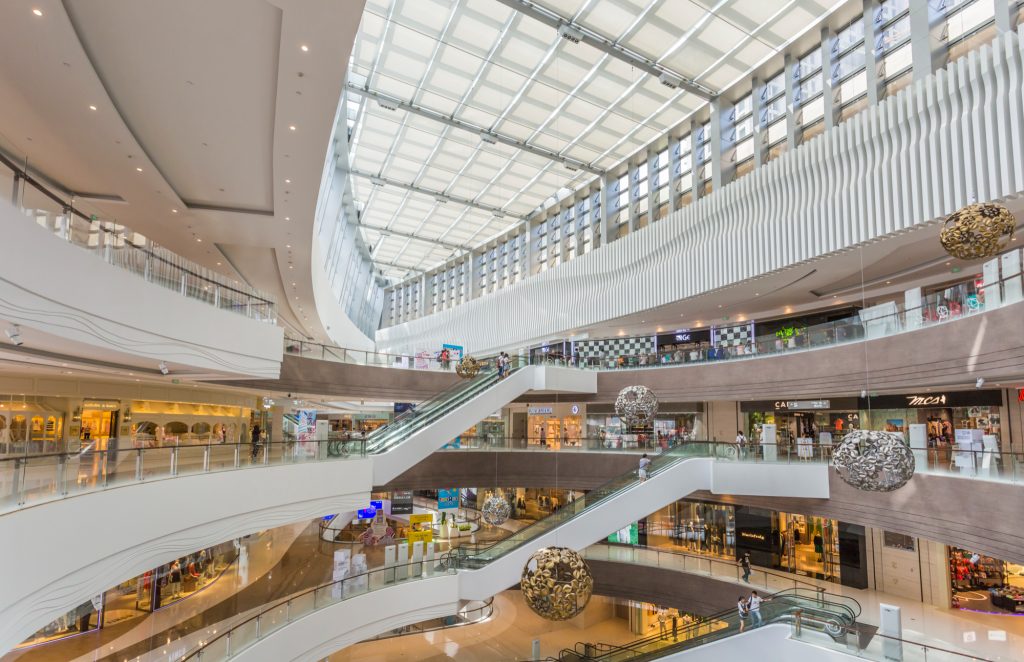
In recent times, the Australian retail landscape has evolved significantly. A retail shopping center loan is a commercial mortgage tailored for properties that house multiple retail tenants under one roof or across a single title.
Unlike single-tenant commercial loans, these facilities are underwritten based on the Weighted Average Lease Expiry (WALE) and the strength of the anchor tenants (such as major supermarkets like Coles or Woolworths). Whether you are targeting a local neighborhood “strip mall” or a high-traffic regional center, Clopton Capital matches your asset with the right capital source—from major domestic banks to specialized retail credit funds.
Despite the rise of e-commerce, in the current market landscape, physical retail assets—particularly “essential” or “daily needs” centers—remain highly sought after by Australian lenders due to their consistent cash flow.
Anchor Tenant Stability: Centers anchored by supermarkets or medical hubs provide a “defensive” income stream that lenders find highly attractive.
Diversified Risk: With a mix of national brands and local specialty shops, your vacancy risk is spread across multiple lease structures.
Value-Add Potential: Many older Australian retail centers offer opportunities for repositioning, such as adding “pad sites” for quick-service restaurants or converting underutilised space into wellness hubs.
Tax Deductibility: As these are business-purpose loans, interest and associated costs are generally tax-deductible against the property’s income (Consult your tax professional regarding ATO guidelines).
We provide financing across the full spectrum of the Australian retail sector:
Neighborhood & Strip Malls: Typically 5-15 tenants, often focused on food and services.
Community Centers: Mid-sized hubs usually anchored by a supermarket or a large hardware store.
Super-Regional Centers: Large-scale institutional assets with multiple department store anchors and high-density specialty retail.
NNN (Triple Net) Lease Assets: Single-tenant or multi-tenant properties where the tenant pays all outgoings (rates, insurance, maintenance).
Lending for Australian retail focuses heavily on the Debt Service Coverage Ratio (DSCR) and the quality of the tenant mix.
| Feature | Typical Australian Terms |
| Loan Amount | 1,000,000 AUD to 100,000,000+ AUD |
| Max LVR | Up to 65% – 75% (higher with Mezzanine/Pref Equity) |
| Amortisation | Up to 30 years (Interest-only terms common for 3-5 years) |
| Rates | Variable or Fixed; Margin over BBSW or Swap Curve |
| Recourse | Options for Full Recourse or Non-Recourse for high-quality assets |
Intake Call (15 mins): We discuss your asset type, tenant profile, and WALE.
Lender Matching: We target lenders that have a specific appetite for your asset’s location and tenant mix.
Risk Assessment: We review the “concentration risk” (e.g., ensuring no single tenant represents too much of the income).
Closing: We coordinate third-party reports (valuations and environmental) to ensure a seamless settlement.

Access the capital you need to acquire, renovate, or refinance your retail assets.
Lenders typically prefer centers to be at least 75% to 80% leased. However, for “Value-Add” projects where occupancy is lower, we can arrange Bridge Loans to help you fund the repositioning and lease-up.
WALE stands for Weighted Average Lease Expiry. It tells the lender how long, on average, the income is secured. In Australia, a longer WALE (5+ years) usually results in better interest rates and higher leverage.
Yes. While some “Big Four” banks are conservative outside major CBDs, we have a panel of private lenders and regional credit funds that specifically look for dominant retail hubs in regional Australian towns.
Even on non-recourse retail loans, lenders include “Bad-Boy” clauses. These protect the lender against fraud, intentional misapplication of rents, or environmental negligence. As long as you operate in good faith, your personal assets remain protected.
Most retail loans are held in a Unit Trust, Family Trust, or Company (Pty Ltd). This is often preferred by lenders as it simplifies the security and tax implications.