
Secure institutional-grade debt for logistics, manufacturing, and warehousing. Clopton Capital provides Australian investors and owner-occupiers with flexible industrial property loans to acquire, refinance, or develop essential infrastructure nationwide.

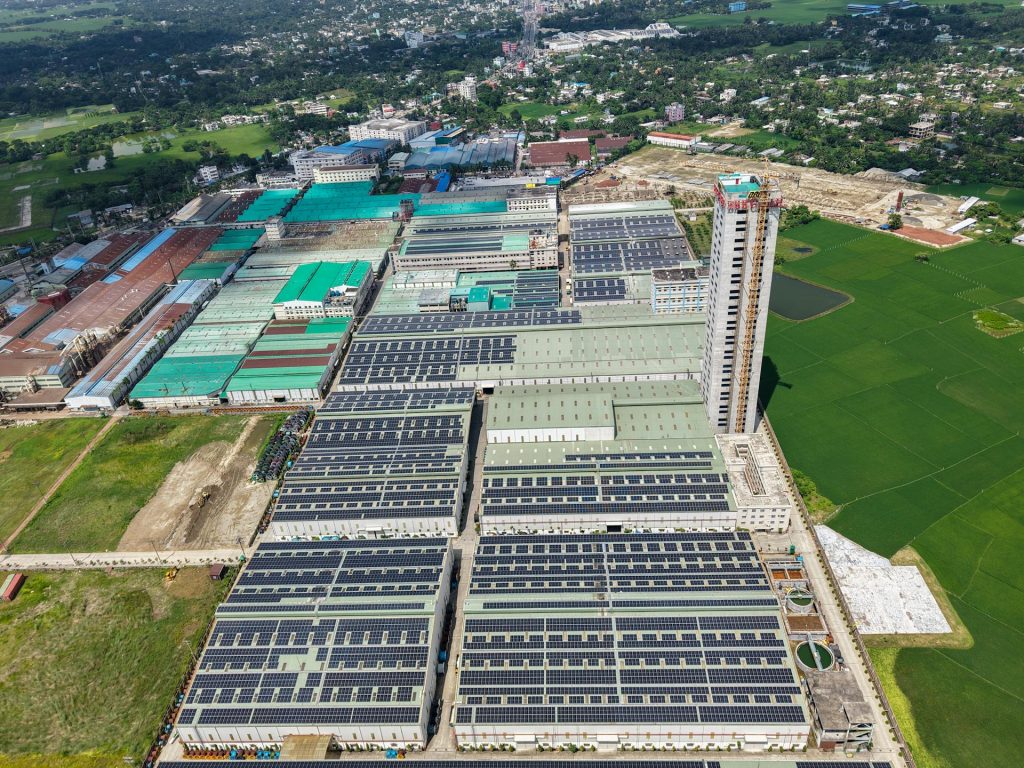
In recent times, industrial real estate has emerged as the best-performing asset class in Australia, driven by the rapid growth of e-commerce and supply chain onshoring. An industrial property loan is a commercial mortgage specifically designed for warehouses, distribution centres, cold storage facilities, and manufacturing plants.
Unlike retail or office loans, industrial lending focuses heavily on the “functional utility” of the building—things like ceiling heights, gantry crane capacity, and heavy vehicle access. Whether you are an owner-occupier needing a facility in Western Sydney or an investor targeting a multi-tenanted logistics park in Melbourne, Clopton Capital connects you with capital from major banks, life companies, and private credit funds.
In the current market landscape, industrial assets are highly favoured by Australian lenders due to their low capital expenditure (CapEx) requirements and high tenant retention rates.
E-commerce Tailwinds: The ongoing demand for “last-mile” delivery hubs ensures that well-located industrial assets maintain extremely low vacancy rates.
Triple Net (NNN) Leases: Most Australian industrial leases require the tenant to pay all outgoings (rates, insurance, maintenance), providing the landlord with a clean, predictable “net” income.
Owner-Occupier Opportunities: For business owners, purchasing your own warehouse via an industrial property loan can provide significant tax advantages and long-term security compared to leasing.
Strategic Growth: Industrial land remains scarce in major Australian port and rail hubs, leading to strong long-term capital appreciation.
We arrange diverse financing structures to suit your specific asset type:
Acquisition Loans: Funding for purchasing warehouses or manufacturing sites.
Refinance & Cash-Out: Unlock equity from a stabilised asset to fund business expansion or further property acquisitions.
Industrial Development Finance: Specialised facilities for ground-up construction, including “speculative” builds for high-demand logistics regions.
Portfolio Financing: Consolidate multiple industrial assets into a single facility to lower your overall interest margin.
Lending for Australian industrial property is based on the Debt Service Coverage Ratio (DSCR) and the quality of the building’s “specifications.”
| Feature | Typical Australian Terms |
| Loan Amount | 1,000,000 AUD to 100,000,000+ AUD |
| Leverage (LVR) | Up to 65% – 75% (80% for strong owner-occupiers) |
| Rates | Variable or Fixed; Margin over BBSW or Swap Curve |
| Amortisation | Up to 25–30 years (Interest-only available for 3-5 years) |
| Recourse | Full Recourse, Limited Recourse, or Non-Recourse |
To provide an accurate underwriting snapshot within 24–72 hours, we require:
Site Specifications: Clear internal heights, floor loading capacity, and site coverage ratio.
Rent Roll & WALE: Current lease terms and the Weighted Average Lease Expiry.
Environmental Status: Confirmation of the site’s previous usage (especially for older manufacturing zones).
Financials: For owner-occupiers, we need 2 years of business tax returns; for investors, the property’s P&L.

Access the funding you need to acquire, build, or refinance your industrial portfolio.
Yes. While banks prefer long-term leases, in recent times, we have seen private credit funds actively lend on short-WALE assets if the “underlying land value” is strong or if the rents are currently below market rates (offering “upside”).
A recourse loan allows the lender to pursue your personal assets if the property value falls short. A non-recourse loan limits the lender’s recovery strictly to the property itself. Non-recourse is common in Australia for stabilised industrial assets over $10M.
Yes. Many Australian business owners use a Limited Recourse Borrowing Arrangement (LRBA) within their SMSF to purchase their own warehouse, though different LVR limits usually apply.
Buildings with unique features (like cold storage or chemical processing) are considered higher risk because they are harder to re-lease. However, we have specific lenders who specialise in these “specialised” niches.
For industrial sites, lenders almost always require a “Phase 1 Environmental Site Assessment” to ensure there is no soil or groundwater contamination from previous industrial activity.